
Natural Light vs. Artificial Light in Real Estate Photography
One of the most common questions agents ask about real estate photography is whether natural light or artificial light produces better results. The answer is neither one alone. Professional listing photography uses both — and the skill is in knowing how to balance them for each specific room, time of day, and property. Here is how it actually works.
What Natural Light Does Best
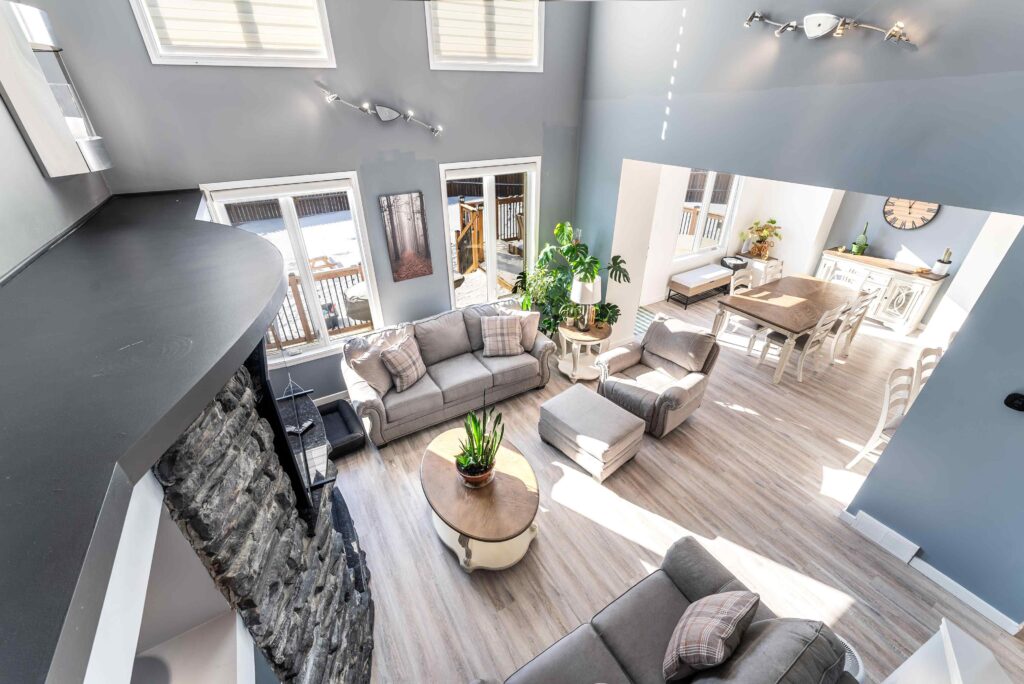
Natural light is flattering, directional, and renders colours accurately. A room with large south or east-facing windows on a bright morning can look extraordinary in real estate photography with minimal artificial light involvement. The light fills the space, creates depth through shadow and highlight, and gives the image a warmth that is difficult to replicate artificially. Natural light works especially well for living rooms, kitchens with generous window placement, and any room where the windows are a feature of the space.
Its limitation is inconsistency. Light changes minute to minute as clouds move and the sun shifts angle. A room that looks spectacular in the first fifteen minutes of a shoot might look flat and grey twenty minutes later when conditions change. Relying entirely on natural light means relying on conditions you cannot control.
What Artificial Light Does Best
Artificial light — specifically off-camera flash and continuous lighting — gives the photographer control. It fills in shadows, brightens dark corners, balances the exposure gap between interiors and windows, and ensures consistency from frame to frame regardless of what the weather is doing outside.
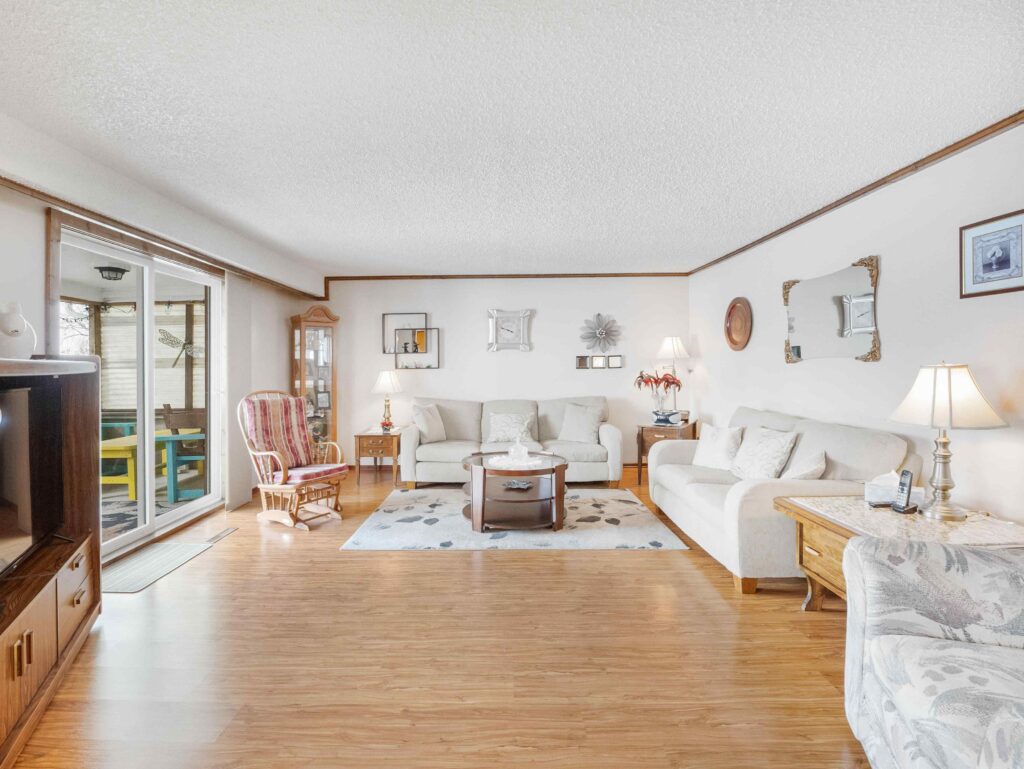
In rooms with limited natural light — north-facing bedrooms, basement spaces, windowless bathrooms — artificial light is essential for producing a bright, appealing image.
Why the Best Results Come From Combining Both
Professional real estate photographers do not choose between natural and artificial light — they use both in combination, with the ratio determined by what each specific room needs. A kitchen with excellent window light might need only a small amount of flash fill to balance shadows near the cabinets.

A basement bedroom with no natural light needs a fully controlled artificial lighting setup. The goal in every room is the same: light that looks natural, feels warm, and shows the space at its best without the viewer being able to identify where the light is coming from.
What Time of Day Matters Most
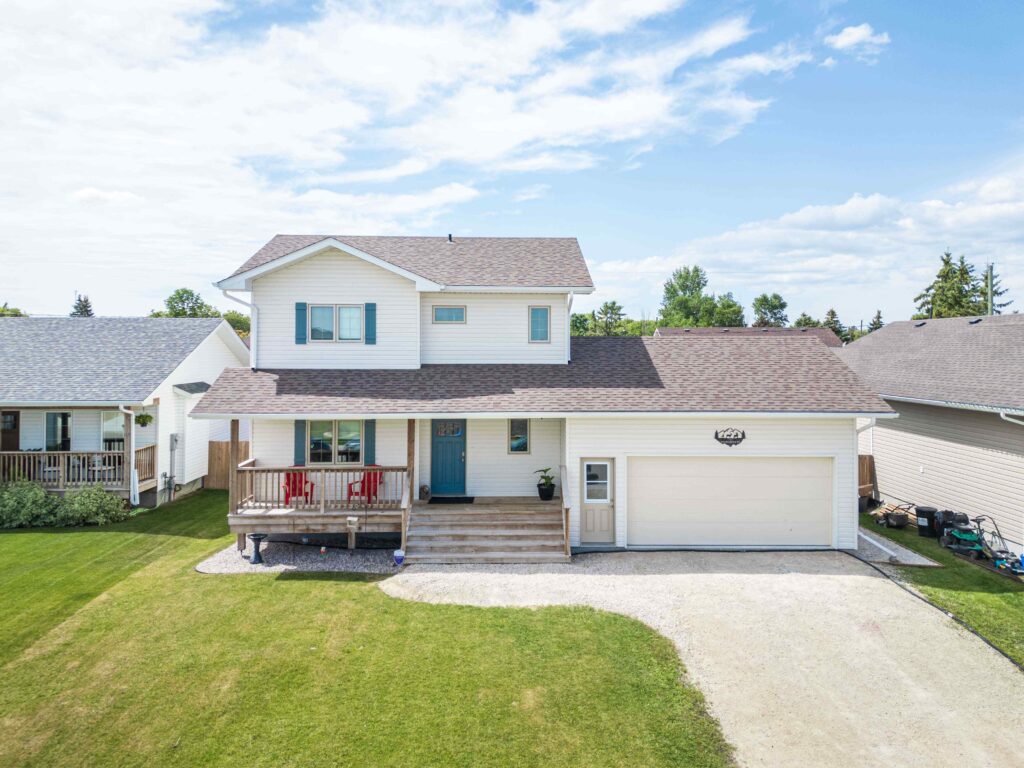
For exterior photography, timing around golden hour — the hour before sunset — produces the warmest, most flattering light on a home’s facade. Midday sun creates harsh shadows and blown-out highlights on light-coloured exteriors. Overcast days are often excellent for exterior real estate photography because the clouds act as a natural diffuser, creating soft even light with no harsh shadows.
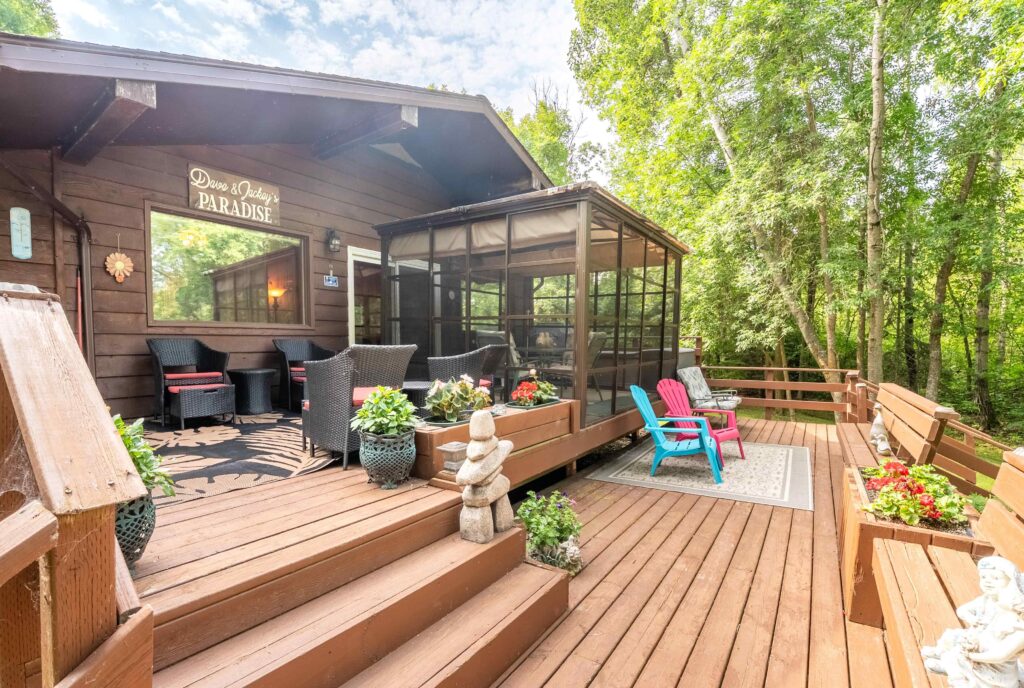
For interior photography, time of day matters primarily in terms of which rooms receive direct sunlight at which points — a good photographer plans the sequence around the light.
EE Media brings a professional approach to lighting at every Winnipeg real estate photography shoot — whatever the conditions, whatever the property.
Tags:
Complete Guide to Real Estate, Shooting RAW Produces Better Listing Photos, Flash Blending for Listing Photos, Focal Length Changes the Room Looks, Virtual staging for Winnipeg listings,