
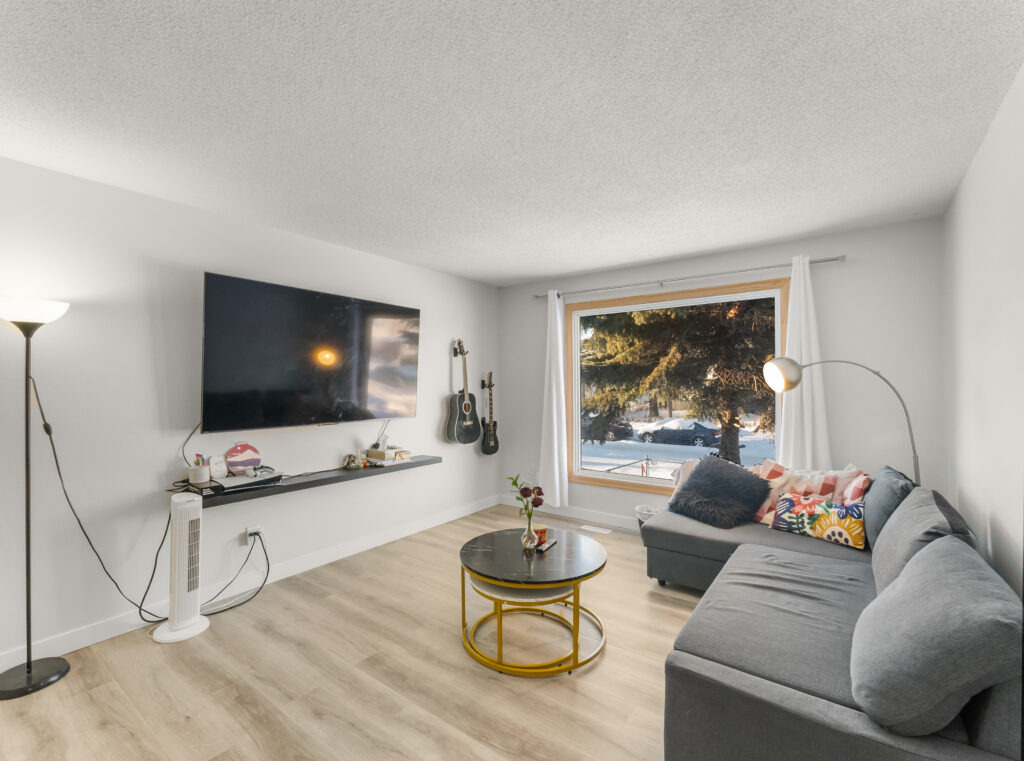
Wide Angle vs. Medium Lens: How Focal Length Changes the Way a Room Looks
If you have ever walked into a property after seeing listing photos online and thought the rooms looked significantly smaller than expected, you have experienced the effect of focal length firsthand. The lens a real estate photographer uses shapes every image in your gallery. Understanding how focal length works helps you evaluate portfolio work accurately and recognize when something looks off.
What Focal Length Means in Plain Language
Focal length is measured in millimeters and describes how wide or narrow a lens sees. Lower numbers mean a wider field of view — more of the scene fits in the frame. Higher numbers mean a narrower field of view — less fits in the frame but objects appear closer and more compressed.
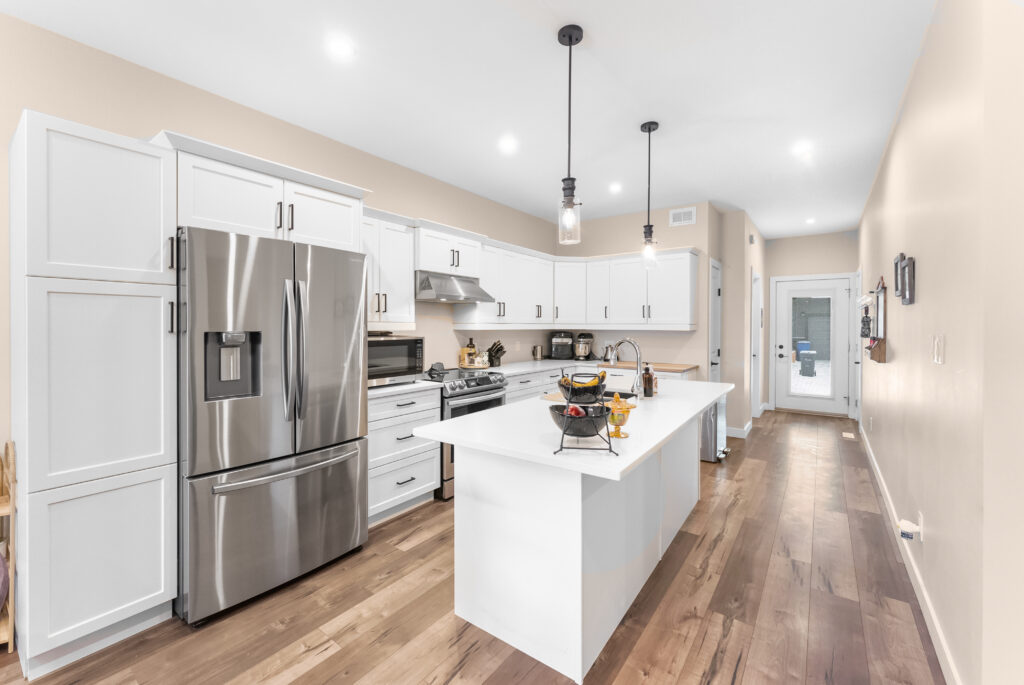
For reference: 16mm is very wide, 24mm is moderately wide, 35mm is close to how the human eye sees naturally, and 50mm and above starts to feel telephoto.
Why Wide Angle Lenses Are Standard for Interior Real Estate Photography
Real estate photographers typically shoot interiors in the 16 to 24mm range for a direct reason: rooms are small and the goal is to show the full space. A wide angle lens allows the photographer to capture an entire room from a single position without having to move through a wall. It shows buyers the layout and scale of the space in a way a narrower lens simply cannot from the same position.
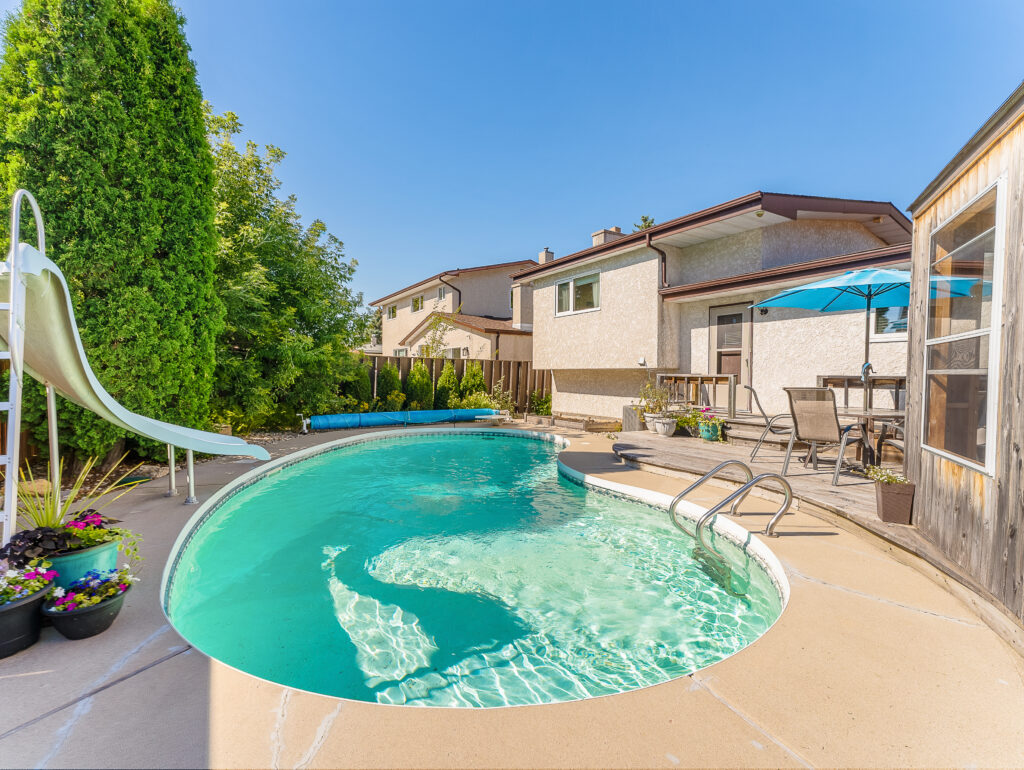
At EE Media we work primarily in the 16 to 24mm range for interior shots, adjusting based on room size and what the composition requires. A compact bathroom calls for 16mm. A large open-concept living area might work well at 24mm with careful framing.
The Problem With Going Too Wide
There is a point where wide becomes misleading. Lenses in the 10 to 14mm range and fisheye lenses create significant barrel distortion — straight walls bow outward, rooms look far larger than they actually are, and the perspective looks unnaturally stretched. This misrepresents the property and creates disappointed buyers who arrive expecting a space that does not match the photos. Ultra-wide distortion cannot be fully corrected in post-processing.
When Medium Focal Lengths Are the Right Choice
Medium focal lengths — roughly 35 to 50mm — have a valuable role in real estate photography for detail work. Kitchen finishes, a custom tile backsplash, fireplace details, millwork, and hardware all photograph better at medium focal lengths. The compression at this range renders fine details more accurately and without the spatial distortion of a wide angle lens. A professional shoot uses multiple focal lengths: wide for room overview shots, medium for detail work.
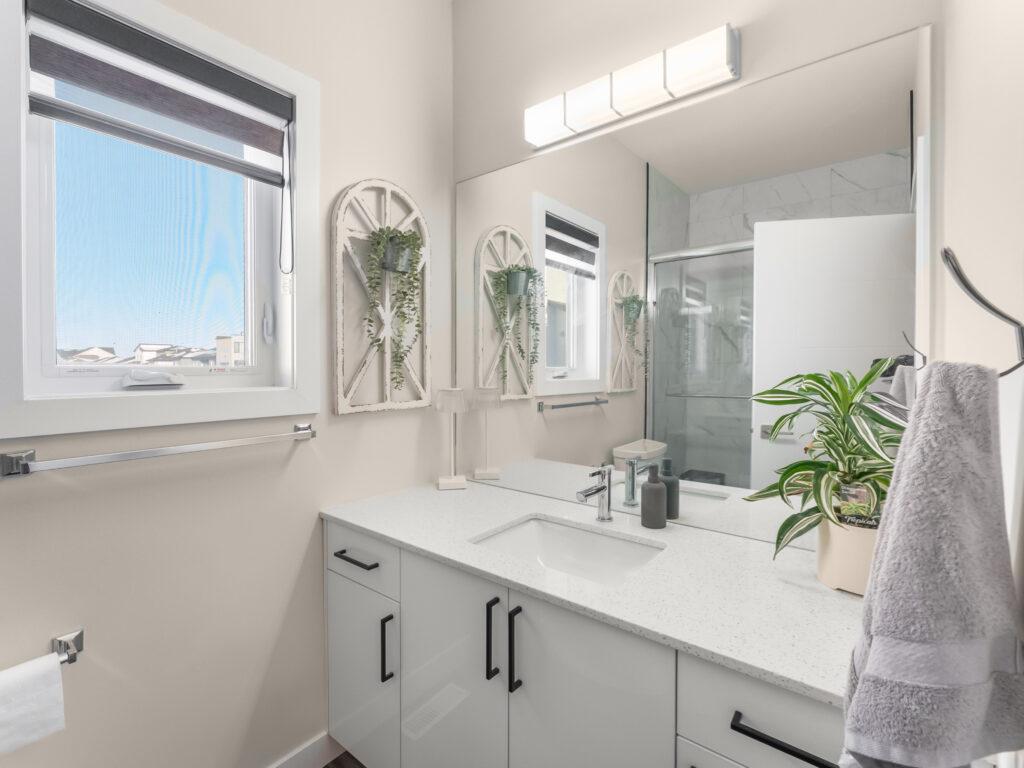
EE Media uses professional-grade optics and careful composition to make every Winnipeg listing look its best.
Tags:
Complete Guide to Real Estate, Shooting RAW Produces Photos, HDR vs. Single Exposure for Photos, Real Estate Media Guide for Winnipeg Agents and Developers, Virtual staging for Winnipeg listings,