
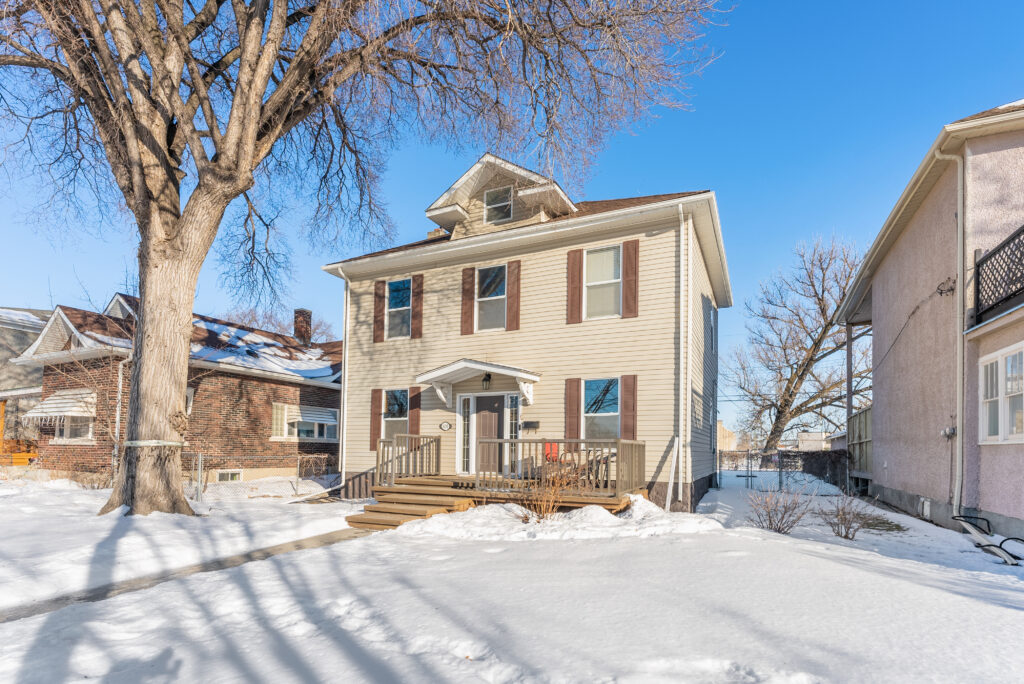
HDR vs. Single Exposure: Which Produces Better Listing Photos?
If you have ever booked a real estate photographer and wondered why some listing photos look clean and natural while others look over-processed and artificial, the answer often comes down to one technical choice: HDR versus single exposure. Understanding the difference helps you evaluate a photographer’s portfolio accurately and know what to ask for when you book.
What Single Exposure Photography Is
A single exposure photo is one image captured at one exposure setting. The camera records what the sensor sees at that moment. In interior real estate photography, the challenge is that cameras cannot simultaneously expose correctly for both the darker interior and the bright light coming through windows. A single exposure set for the interior leaves windows blown out to pure white. A single exposure set for the windows leaves the room too dark.
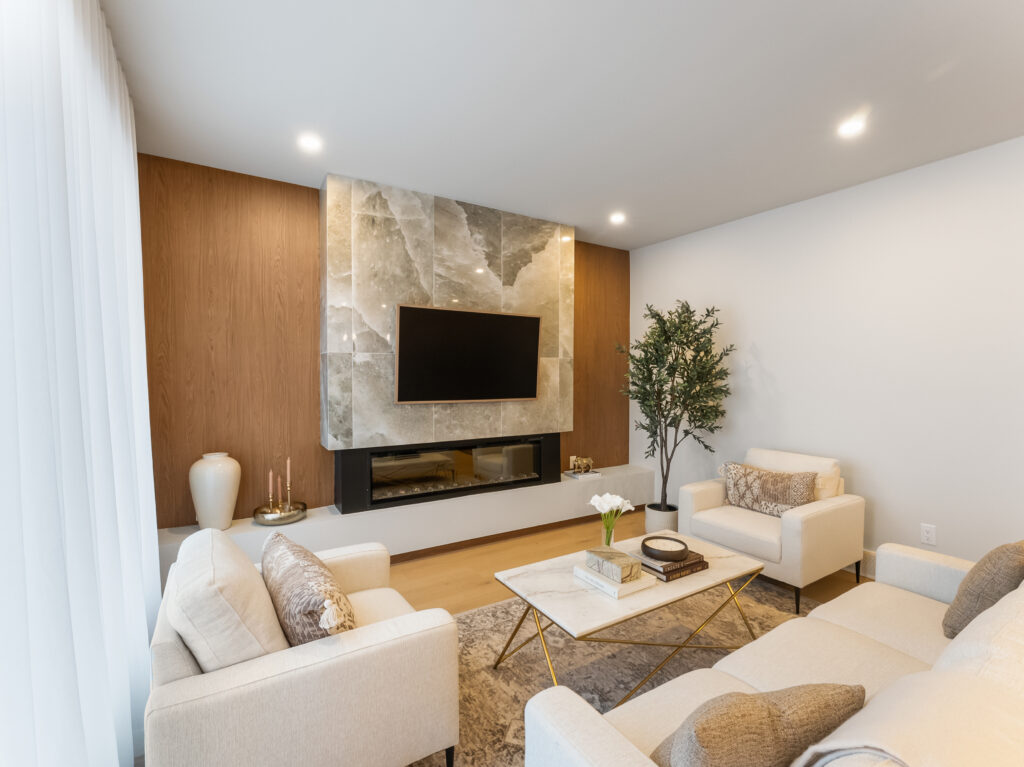
Solving this with a single exposure requires adding artificial light — specifically off-camera flash — to bring the interior brightness up close enough to the window brightness that the camera can capture both in one frame. Flash-lit single exposures, done well, produce consistently natural-looking results because the light in the final image is real and controlled.
What HDR Photography Is
HDR stands for High Dynamic Range. In real estate photography, HDR involves capturing multiple exposures of the same scene — typically three to seven shots ranging from very dark to very bright — and merging them in post-processing software to produce a single image with detail in both highlights and shadows.
When done subtly, HDR is largely undetectable and produces clean, well-exposed interiors. When over-applied, HDR produces the over-processed look that gives the technique a bad reputation — glowing skies, halos around objects, and colours so saturated the room looks like a render rather than a real home.
Why Flash Blending Tends to Produce More Natural Results
Many professional real estate photographers use a combination of off-camera flash and selective exposure blending rather than pure HDR. Flash blending solves the dynamic range problem at capture — by actually adding light to the scene — rather than relying entirely on software to composite exposures afterward. The result tends to look more natural because the light is real and controlled, not algorithmically assembled.
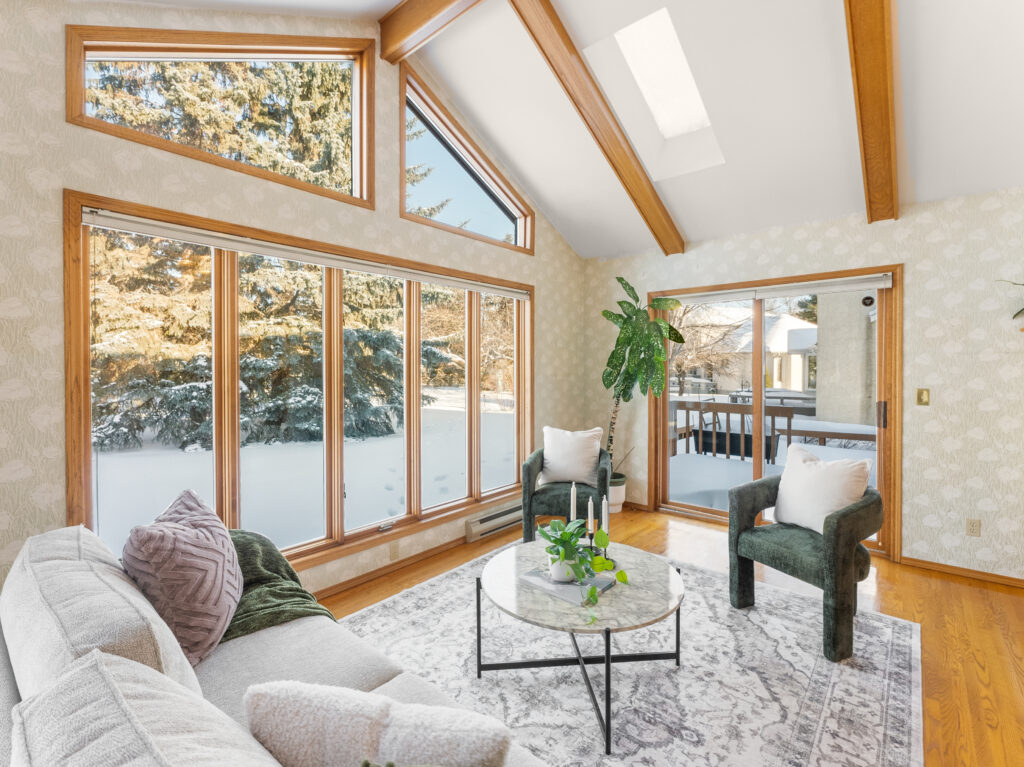
The technique matters less than the result. Look at the photographer’s portfolio and evaluate the windows — do they blow out, or do they show natural light? Look at the colours — are they accurate, or over-saturated? These signals tell you more than any technical explanation of workflow.
What Agents Should Ask When Booking
Ask any real estate photographer to show you interior shots from rooms with windows. That is where the quality of their exposure handling is most visible. A photographer who can consistently show you bright, naturally lit interiors with correctly exposed windows — regardless of whether they use flash, HDR, or a combination — is a photographer whose real estate photography will serve your listings well.
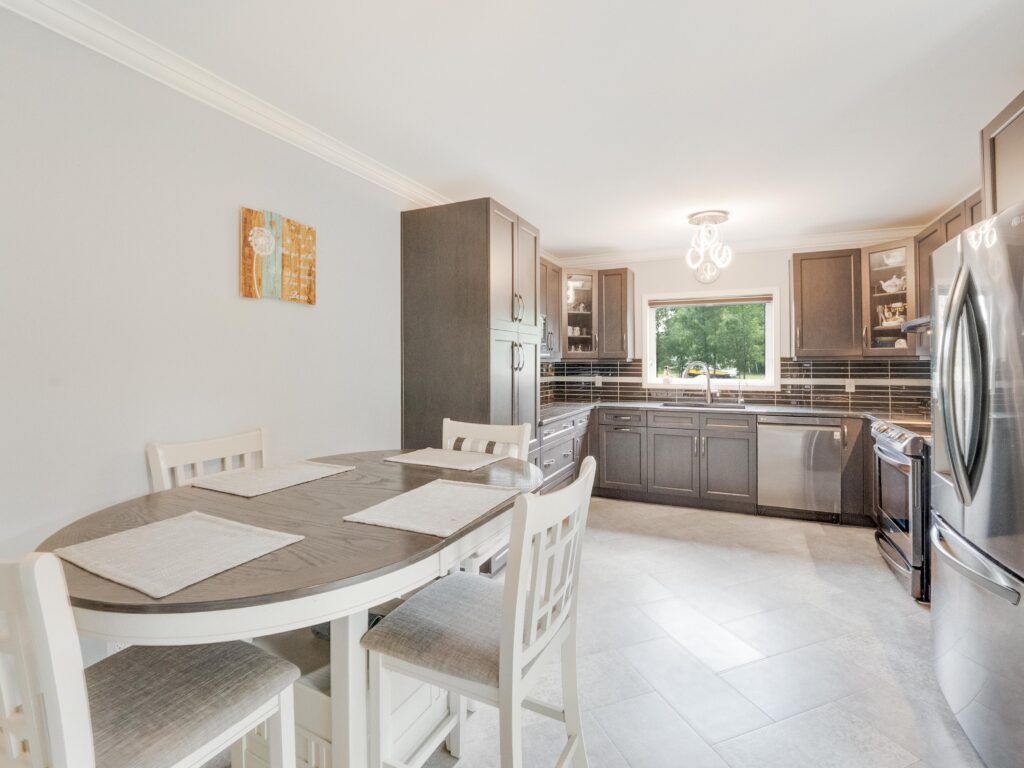
EE Media produces listing photography that looks natural and performs online.
Book your shoot today and see what properly exposed listing photos look like for your properties.
Tags:
Lighting in Real Estate Photography, Shooting RAW Produces Photos, Complete Guide to Real Estate, Real Estate Media Guide for , Complete Guide to Drone Photography,