The Complete Guide to Real Estate Listing Video in Winnipeg
Real estate videography has moved from a premium add-on to an expected part of the listing media package for agents who take their marketing seriously. Buyers scroll through dozens of listings.
A cinematic walkthrough video stops that scroll in a way that photos alone cannot. It creates an emotional impression of the property — the flow of the rooms, the quality of the light, the feel of the space — before a buyer has ever stepped through the door.
This guide covers everything Winnipeg real estate agents need to know about listing video — what it is, how it is produced, what formats work for which platforms, and how to build it into a listing media package that performs.
What Real Estate Videography Actually Is
Real estate videography at a professional level means cinematic video captured with a dedicated camera and stabilized gimbal — not a phone or a simple zoom camera. The videographer moves through the property with intention: a slow push through the entrance, a reveal of the kitchen from the hallway, a pull back from the backyard to show the full outdoor space. Every shot is composed and paced to create a coherent, engaging experience of the property.
The output is a 60 to 120 second edited video with professional colour grading and licensed music. It is delivered in formats ready for MLS, YouTube, and social media platforms. A well-produced listing video communicates the quality and character of a property in a minute and a half in a way that 40 photos cannot fully replicate.
Listing Video vs. Slideshow — Know the Difference
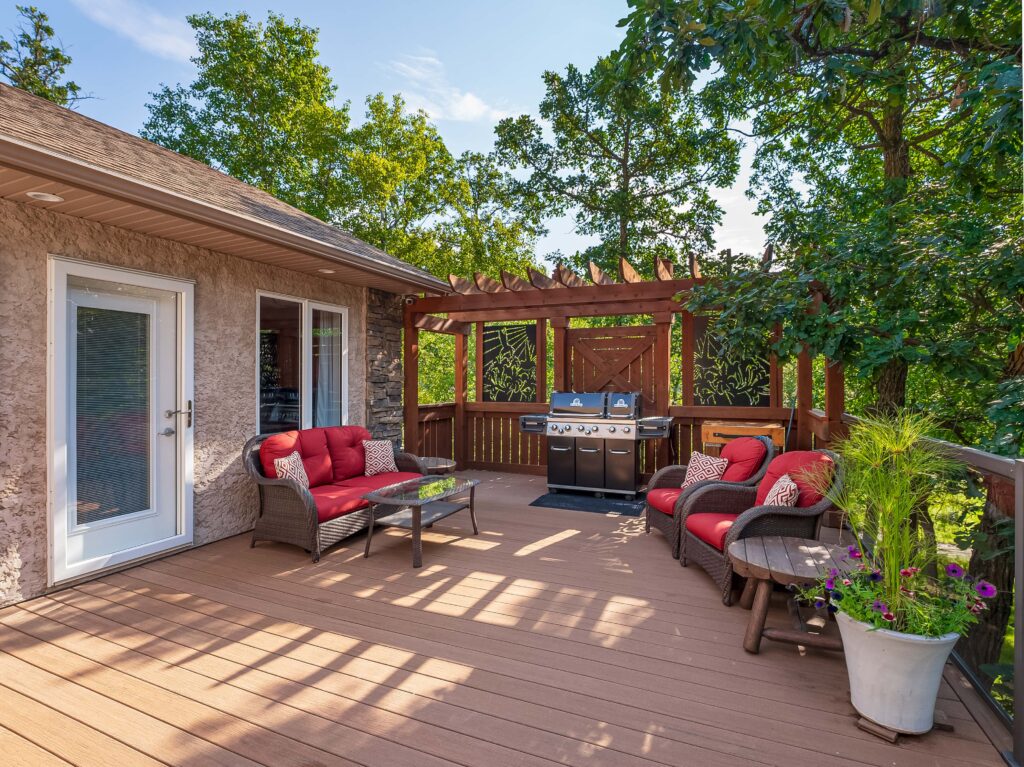
Cinematic real estate videography is shot and edited as actual video — moving camera, live footage, real production value. The difference in how it performs on social media and in buyer engagement is significant. If you are going to invest in listing video, invest in the real thing.
A slideshow video is a sequence of still photos set to background music with simple pan-zoom animations applied. It can be assembled in minutes using templates. It is a step above no video, but buyers and agents who see listing media regularly recognize it immediately. It does not create the same emotional impact or stopping power as genuine video footage.
Vertical Video: Why Format Matters for Social Media
Most listing video is produced in the standard 16:9 horizontal format for MLS and YouTube. But social media — Instagram Reels, TikTok, YouTube Shorts — runs on a 9:16 vertical format. A horizontal video posted to Reels plays with black bars and occupies a narrow strip on screen. Buyers swipe past in two seconds.
Agents who actively market on social media need both formats: a horizontal video for MLS and YouTube, and a vertical edit or dedicated vertical shoot for Reels and TikTok.
EE Media plans for both formats when vertical video is part of the package, so every channel gets content designed for it.
Music Licensing for Real Estate Videos
Every piece of music used in a listing video that will be posted publicly must be properly licensed. Unlicensed music in a video posted to YouTube or social media will trigger copyright claims, muting the audio or having the video removed entirely. This is not a theoretical risk — it happens regularly to agents and photographers who use unlicensed tracks.
EE Media sources all music for listing videos from properly licensed libraries. When you receive your video, the music is cleared for use on all major platforms. This is a standard part of professional real estate videography and something worth confirming with any video production company you work with.
When Listing Video Is Worth Adding to a Package
Real estate videography adds the most value for properties where lifestyle and flow are major selling features — open concept layouts, premium finishes, significant outdoor spaces, or unique architectural character. Properties in the $450,000 and above range almost always benefit from video. The investment in real estate videography is justified when the property has a story to tell that is better told in motion than in stills.
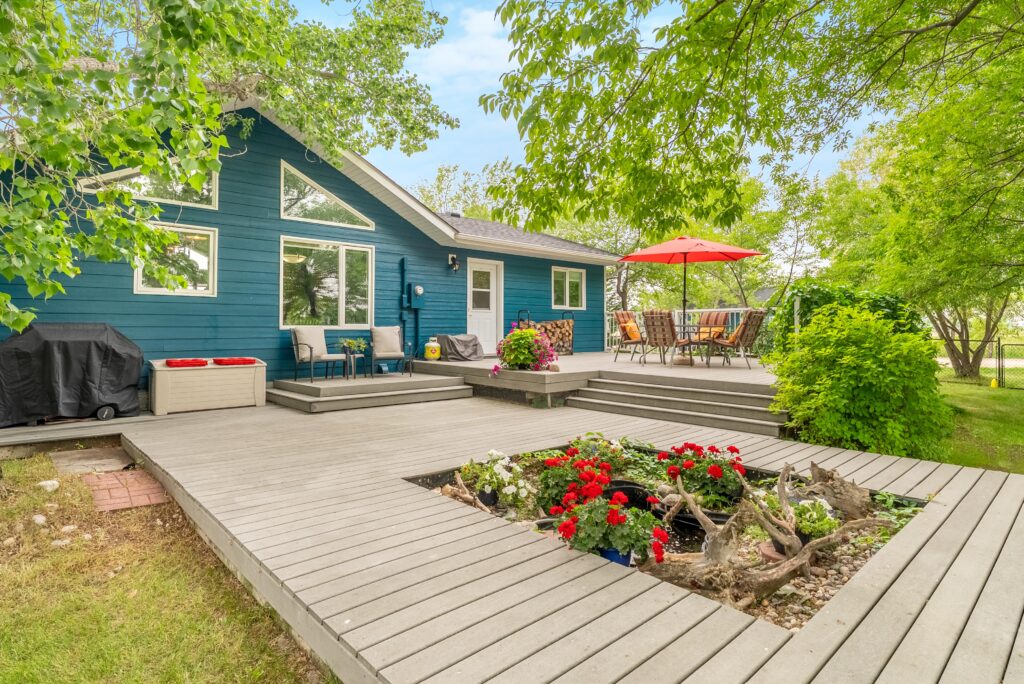
Ready to add cinematic listing video to your Winnipeg properties?
Book your EE Media shoot today and let’s build something that sells.
Tags:
- Look at whether the windows are blown out to white or whether they show natural light and a view.
- Look at whether the walls are truly vertical or whether they lean inward.
- Look at whether the colour temperature is consistent from room to room.
- Ask any photographer whether they shoot in RAW format — this is standard for professional work and gives significantly more editing latitude than JPEG.
- Ask about their turnaround time — professional real estate photographers in Winnipeg typically deliver within 24 hours.
- Ask about their lighting approach: do they use off-camera flash, HDR, or a combination?